



















Coordinates are latitude, longitude in decimal degrees (WGS 84).

  1. 67.5058682411507, 12.078192006576986
  2. 67.51513468914455, 12.08493518828732
  3. 67.505804, 12.078177
  4. 67.5073590849653, 12.065177546083532
  5. 67.50935237711703, 12.084637338175526
  6. 67.5072785748648, 12.072763304188811
  7. 67.50584628839933, 12.077602087666037
  8. 67.505771, 12.07731
  9. 67.50612966053433, 12.074917466341276
  10. 67.51753216360989, 12.114710460726673
  11. 67.51502576627564, 12.099781326266452
  12. 67.51505322277606, 12.082958118237343
  13. 67.52692046439114, 12.134788805058633
  14. 67.48222028970501, 12.019300598732787
  15. 67.50991005034938, 12.110892708962865
  16. 67.50984986084315, 12.110492813758242
  17. 67.50960623233921, 12.109119129424357
  18. 67.50612966053433, 12.074917466341276
  19. 67.50877989943199, 12.082291183611119
  20. 67.51821718743378, 12.117007802757826
  21. 67.41091917675902, 11.875391820160075
  22. 67.50747567905728, 12.083485264227988
  23. 67.52603047616184, 12.116234813860393
  24. 67.50965570742511, 12.085232486232371
  25. 67.50577296093608, 12.077057237500298
  26. 67.50889100258605, 12.087050778985486
  27. 67.50910483874873, 12.088263145337805
  28. 67.505863, 12.072722
  29. 67.51778494222596, 12.11458943929938
  30. 67.505771, 12.07731
  31. 67.50912640995175, 12.08772709457594
  32. 67.51726788010984, 12.11567770245449
  33. 67.51791345482529, 12.115440285221894
  34. 67.511252, 12.083094
  35. 67.507714, 12.081874
  36. 67.50080053265681, 12.066739503161816
  37. 67.45048282343647, 11.911102435671523
  38. 67.520036, 12.132255
  39. 67.52902744666709, 12.127879941477193
  40. 67.51849821684506, 12.130003281418027
  41. 67.5071178091331, 12.069237539290157
  42. 67.52464956800205, 12.139828256617875
  43. 67.507636, 12.068234
  44. 67.48387735241747, 12.017714015599713
  45. 67.50738279813508, 12.083240342945007
  46. 67.5084730850169, 12.076840210316163
  47. 67.50838671719423, 12.077734199854604
  48. 67.5256, 12.134419
  49. 67.52193399694453, 12.139066008195858
  50. 67.526949, 12.127019
  51. 67.514288, 12.075469
  52. 67.50852249091419, 12.07791373200564
  53. 67.50943714405636, 12.109510948538968
  54. 67.524461, 12.10574
  55. 67.518296, 12.096267
  56. 67.50698295954241, 12.071960160079946
  57. 67.5172930024261, 12.115247615469684
  58. 67.51467221321533, 12.099594896243843
  59. 67.51741140631233, 12.11193323135376
  60. 67.51511350583986, 12.10016587363475
  61. 67.50835088360375, 12.07496526545674
  62. 67.52708349203935, 12.106192223194057
  63. 67.51759453780637, 12.118640550750229
  64. 67.5049239857241, 12.071401874529215
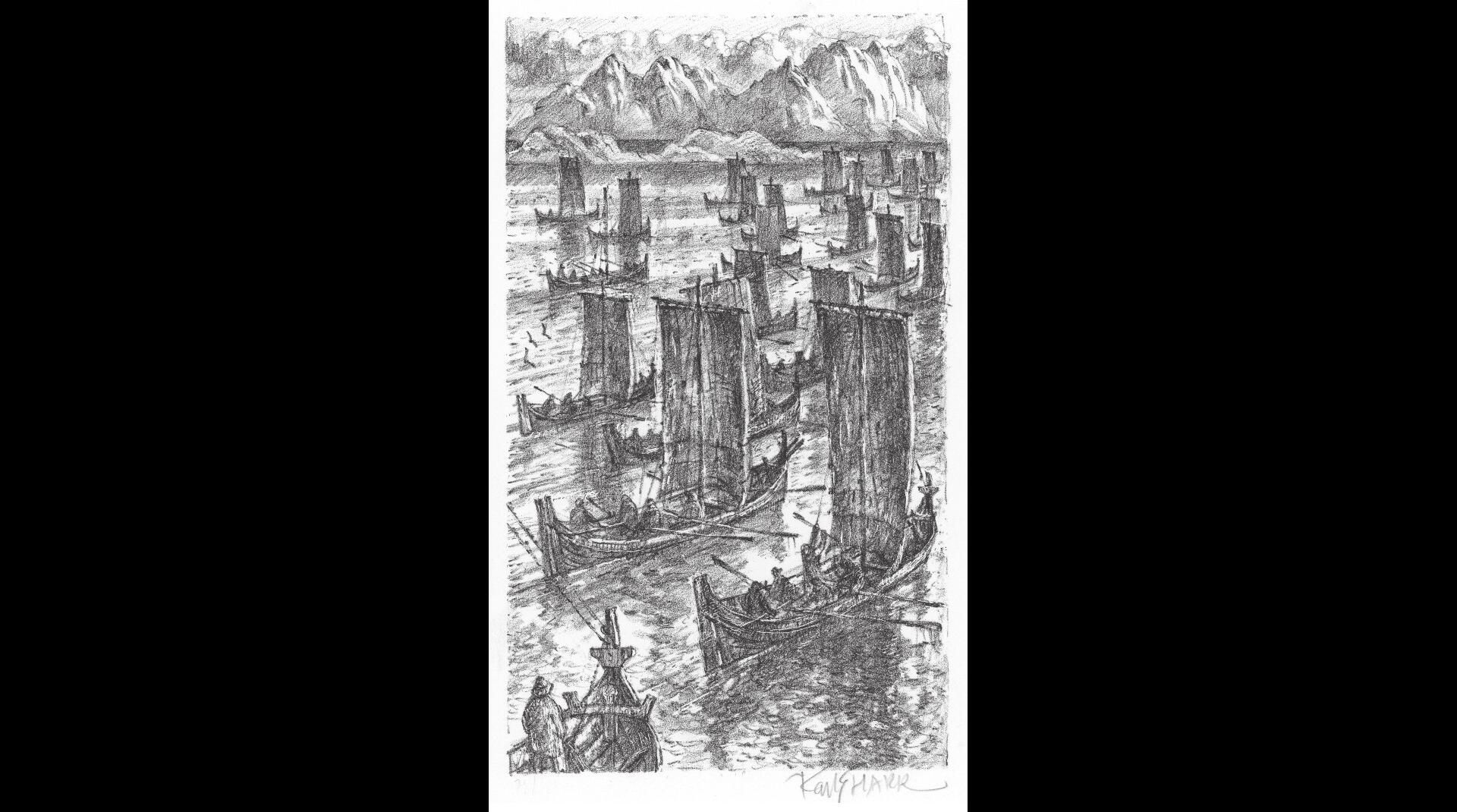
  • Karl Erik Harr, from the book Mit navn er Petter D

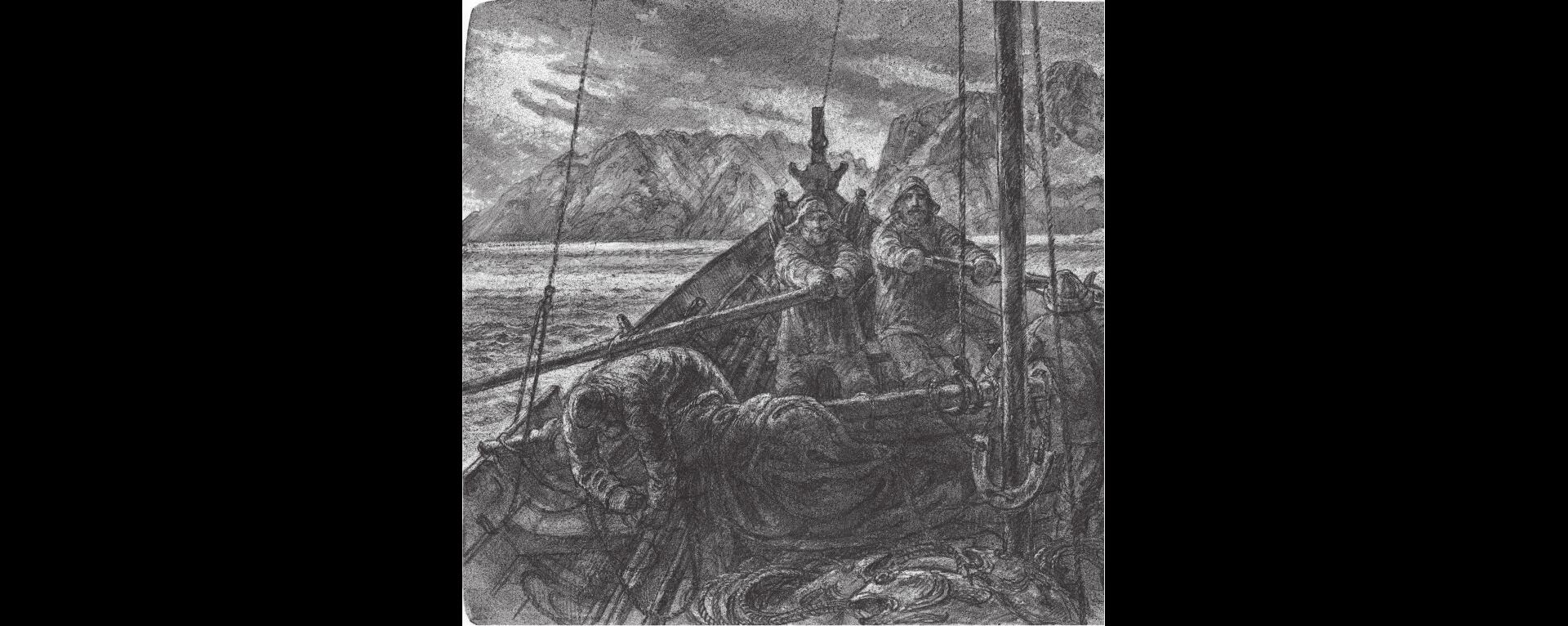
  • Karl Erik Harr, from the book Mit navn er Petter D

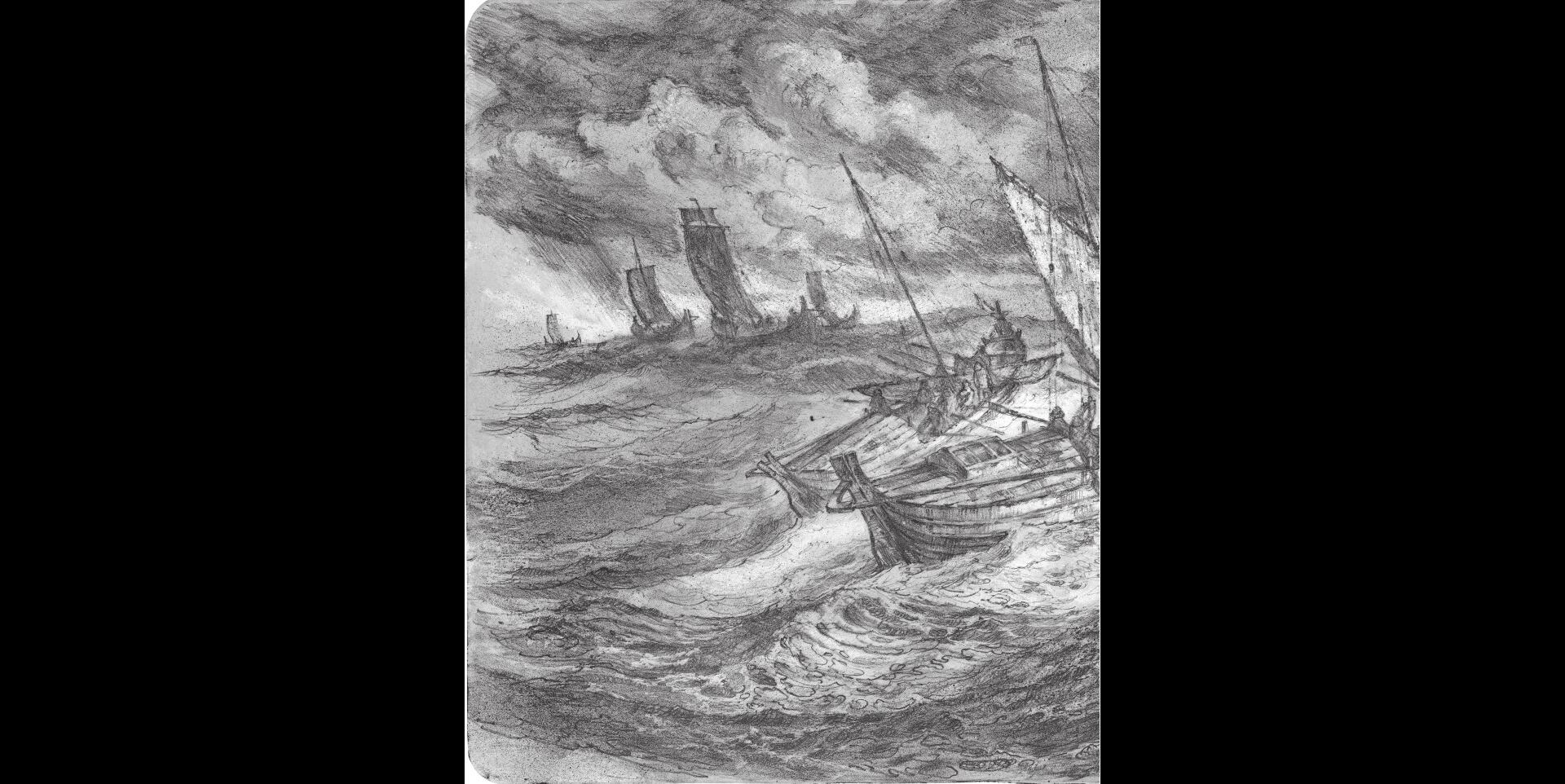
  • Karl Erik Harr, from the book Mit navn er Petter D

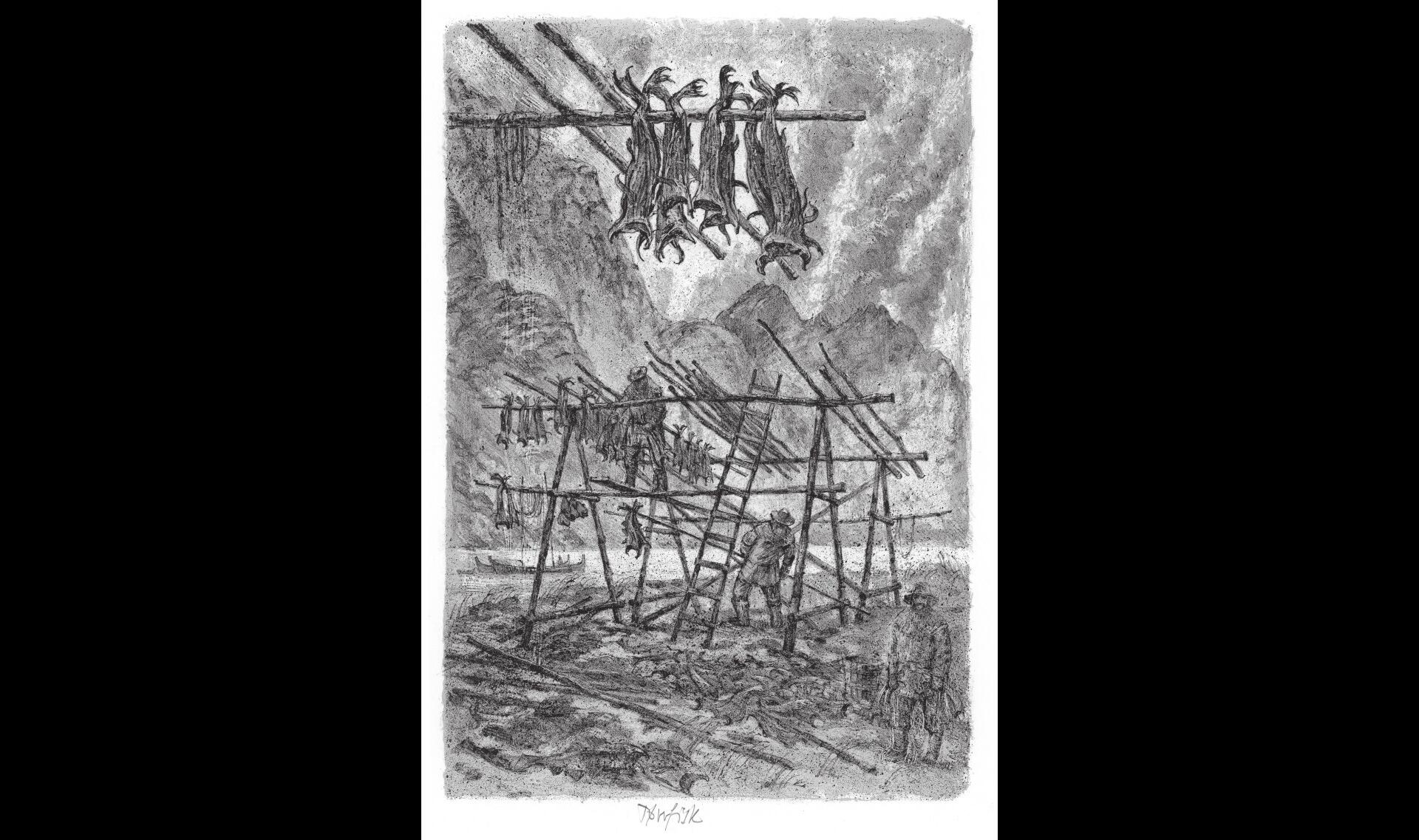
  • Karl Erik Harr, from the book Mit navn er Petter D

  • Karl Erik Harr, from the book Mit navn er Petter D

  • Karl Erik Harr, from the book Mit navn er Petter D

  • Karl Erik Harr, from the book Mit navn er Petter D

  • Karl Erik Harr, from the book Mit navn er Petter D

A mass of sturdy residents and farmers 1500–1700

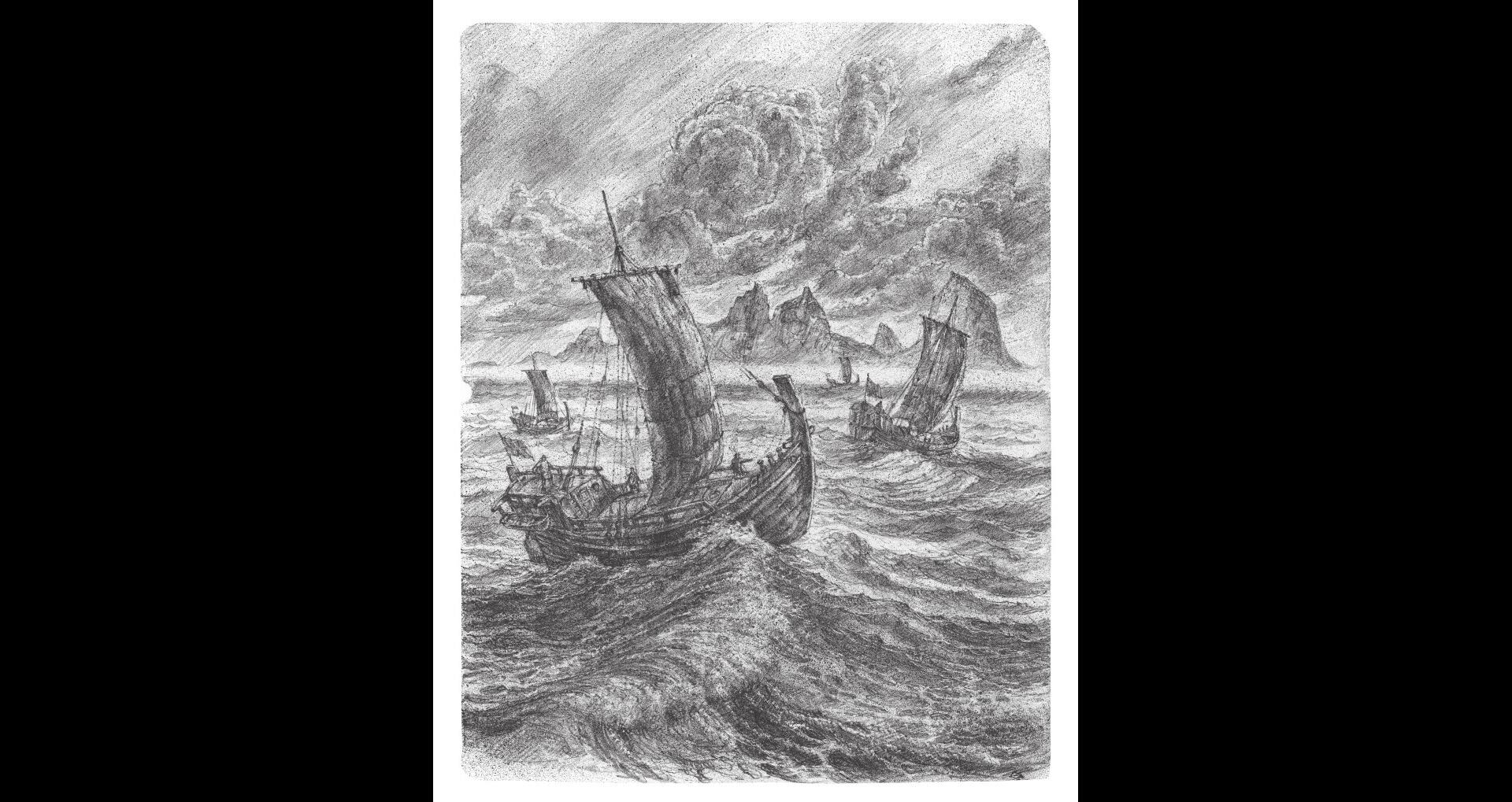
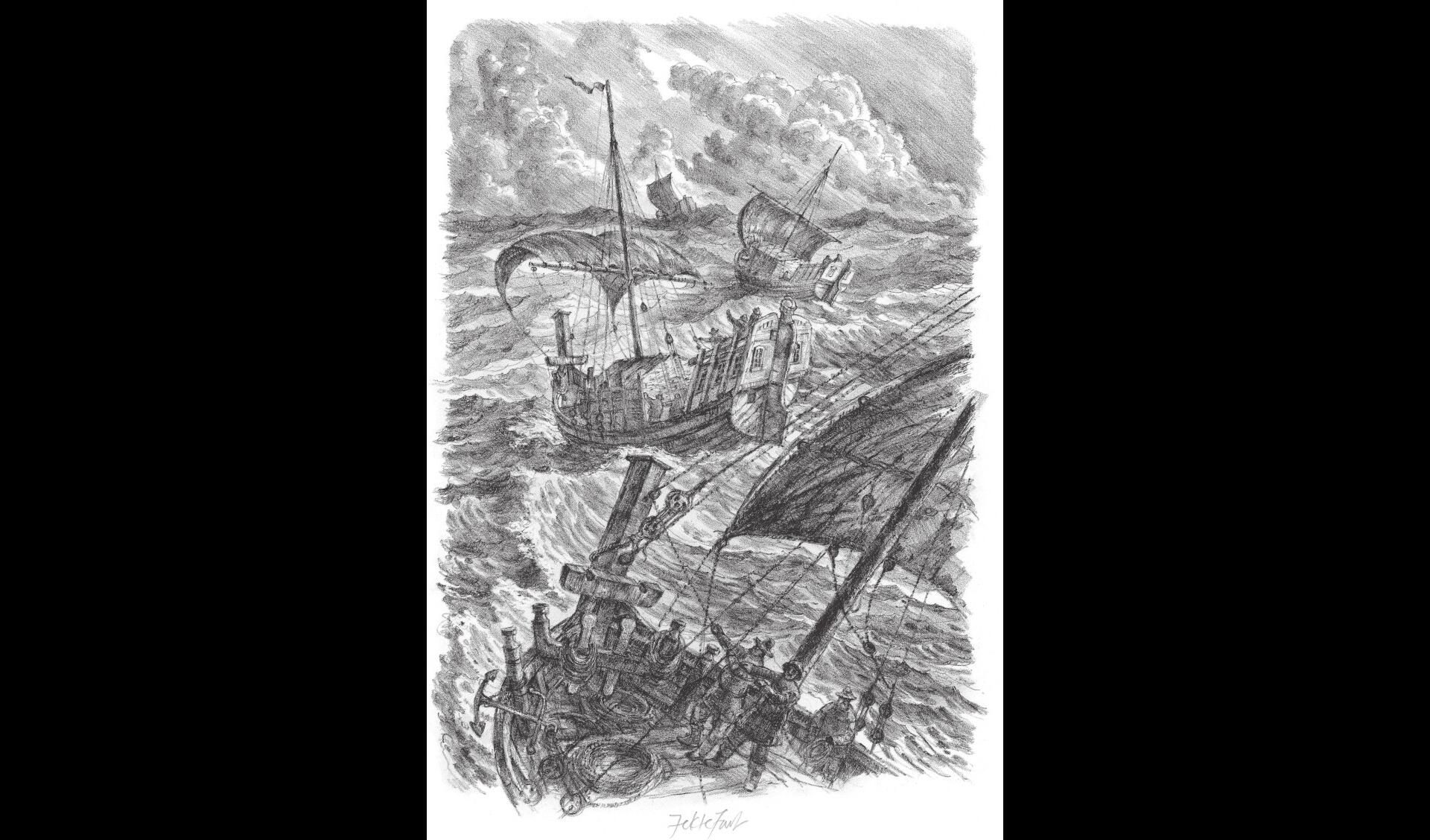
The trade in stockfish was gradually taken over by specialised cargo ships (‘jektene’). Many ‘jekt’ boats were built in the Northern Norway fjord villages where there was a rich source of good wood. There is an interesting report on Røst in ‘Lofoten og Vesterålens beskrivelse’, written by Erik Hansen Schønnebøl in 1591. The author says that there were hard times on Røst and Værøy, the rich fishing being further in along Lofoten. Remains of larger buildings from previous boom periods show that there had been good fishing here:

The very best fishing

Here the sea and weather in former times gave a large and unusual trading and merchant activity greater than anywhere else in all Norland, because all the fish which now is caught both out in Voge and Skrogen and elsewhere along Lofoten previously was out at Röst and Verröe where the very best fishing was and exceptional trade. Here also lived very rich men, which you can still see to this day in the wonderful buildings and houses that have been built with brick chimneys and other features which are now destroyed.


The truth of this is difficult to determine. It does, however, tell about Lofoten fishing which varied depending on where the bulk of the spawning cod was. Schønnebøl tells more about Røst having ‘jekt’ boats to transport goods with:

All the wood which they used they bought in Salten and transported home by ‘jegter’.

Petter Dass

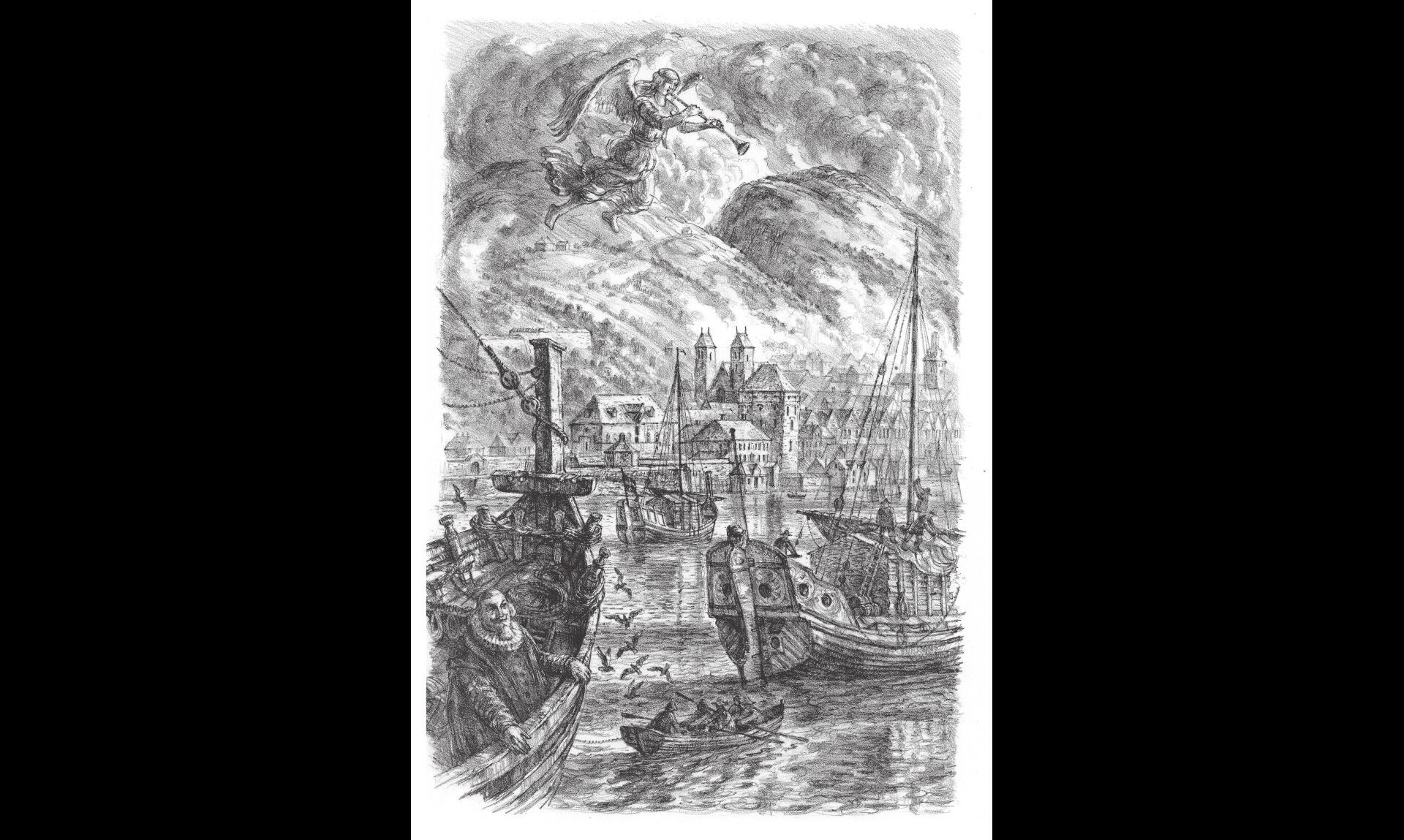
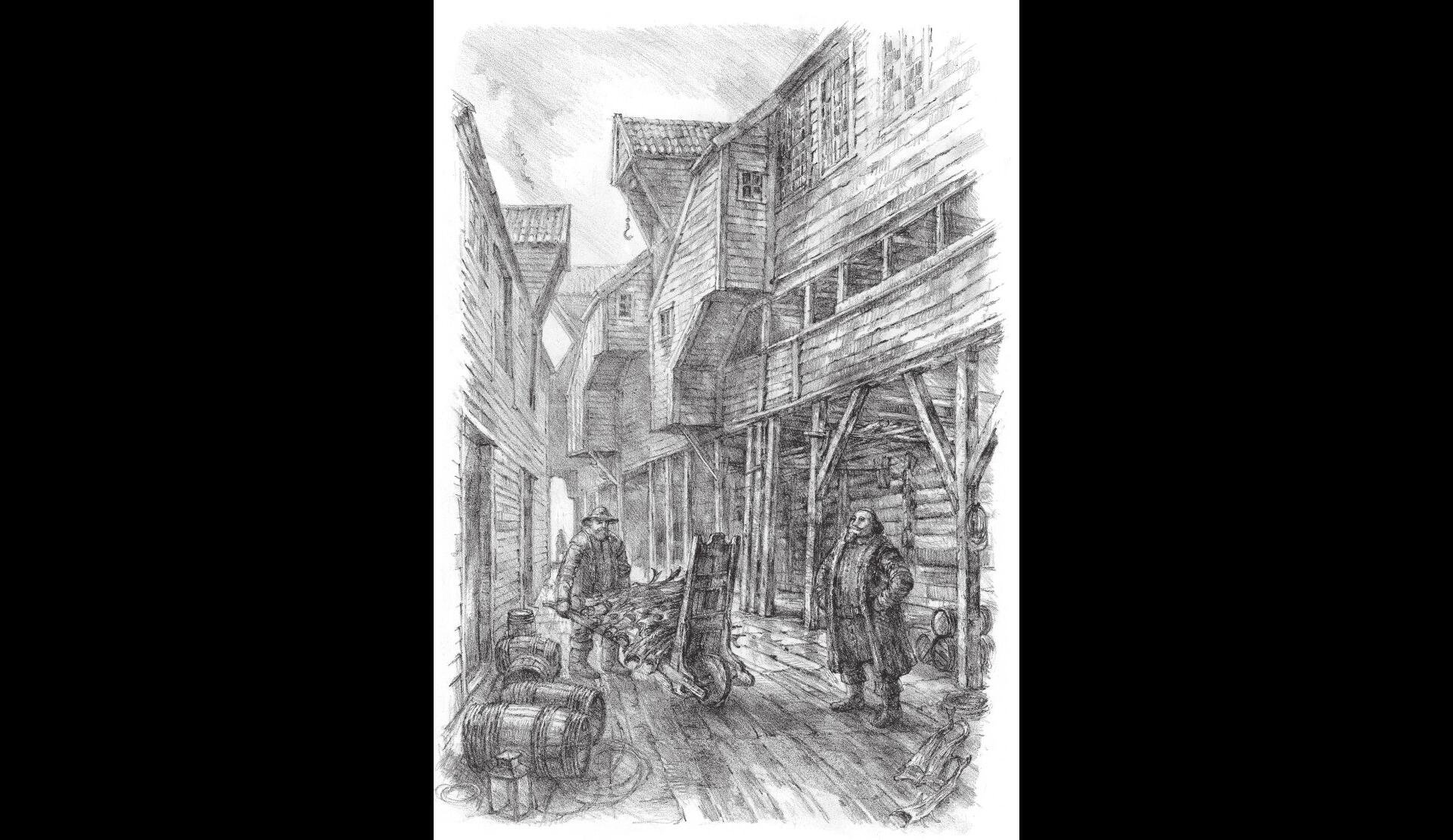
Petter Dass (1647–1707), parson, stockfish merchant and poet is a good source of reports of Lofoten fishing, ‘jektefart’ and stockfish trading in the work Nordlands Trompet. Fishing could vary a great deal in scope and yield. The last half of the 1600s and the beginning of 1700s were, however, a time of crisis in fishing. The period in which Petter Dass wrote Nordlands Trompet, the end of 1600s, were furthermore dark years for fishing in Skrova and Vågan, he says. Here the good times are remembered:

I am reminded of some earlier years,
That Vaagen and Skroven each winter and spring
Were well-known places ...
Where every other North Norway man strove …


He describes that there were many fishermen from Helgeland and Salten here on Værøy and Røst:

At these two common places,
A mass of sturdy Salten residents were found
and Helgeland farmers too

https://en.wikipedia.org/wiki/Petter_Dass


Original text: from Elisabeth Johansen, Anne Cecilie Pedersen, Einar Stamnes (2018)
Tørrfisk – kystkultur, kokekunst, Querini. Stamsund: Orkana forlag.

Reference work:
Bagge, Sverre og Knut Mykland (1996) Norge i dansketiden. Oslo: Cappelen forlag
Dass, Petter (2006) Opptrykk ved Didrik Arup Seip: Nordlands Trompet. Oslo; Aschehoug Forlag
Lindbekk, Kari (red.) (1978). Lofoten og Vesterålens historie 1500–1700. Stavanger: Dreyer a/s
Translation to English: Alasdair Graham-Brown

Illustrations:
Karl Erik Harr, from the book Mit navn er Petter Dass – som boer ved verdens ende, Orkana 2007. Reproduced with the artist's permission.