


















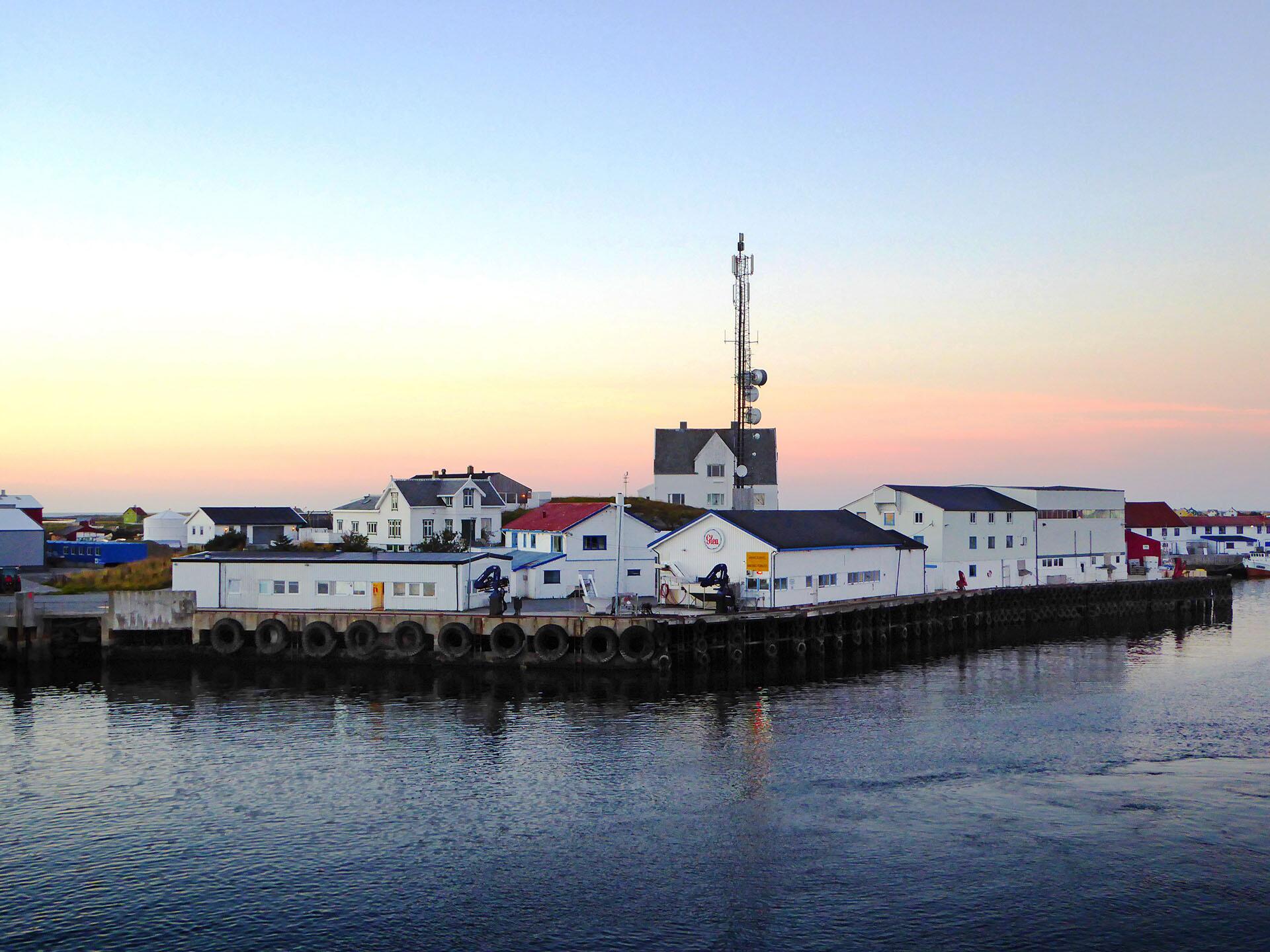

The house is right on the edge of the islet. It is like one of the large hotels in Venedig, the gondola standing ready to sail by the stairs. The facade of the house is not so impressive, but the route by sea between the islets can compete with any canal.
This is how Carl Dons describes the buildings on Glea when he came one day in the 1940s. The short quote says much, all the space on the islet bring utilized through placing buildings right by the sea, the island community being bound together by boat traffic. There are many small and large islands here and a boat is needed to get to the other islands.
Memories from the 1930s
Another authentic depiction of the small fishing community is written by Håkan Mørne after visiting some years previously:
The small steam ship which brought us here navigated through an archipelago of shallows and reefs and tied up under the radio antenna by merchant Pedersen’s quay on the islet of Glea. It was no more than ten decares of rock, but accommodated a shop, post office, radiotelegraph office, hospital, warehouses, cabins, tavern and a number of farmhouses. Between the buildings were knolls covered with racks of hung cod, and around the beaches ran wooden jetties with old-fashioned capstans which looked like windmill sails hung up between high posts. Yes, there were so many buildings and other products of human endeavour on the little islet that it was almost as though it would tumble over the edge.
Fish production has steered development
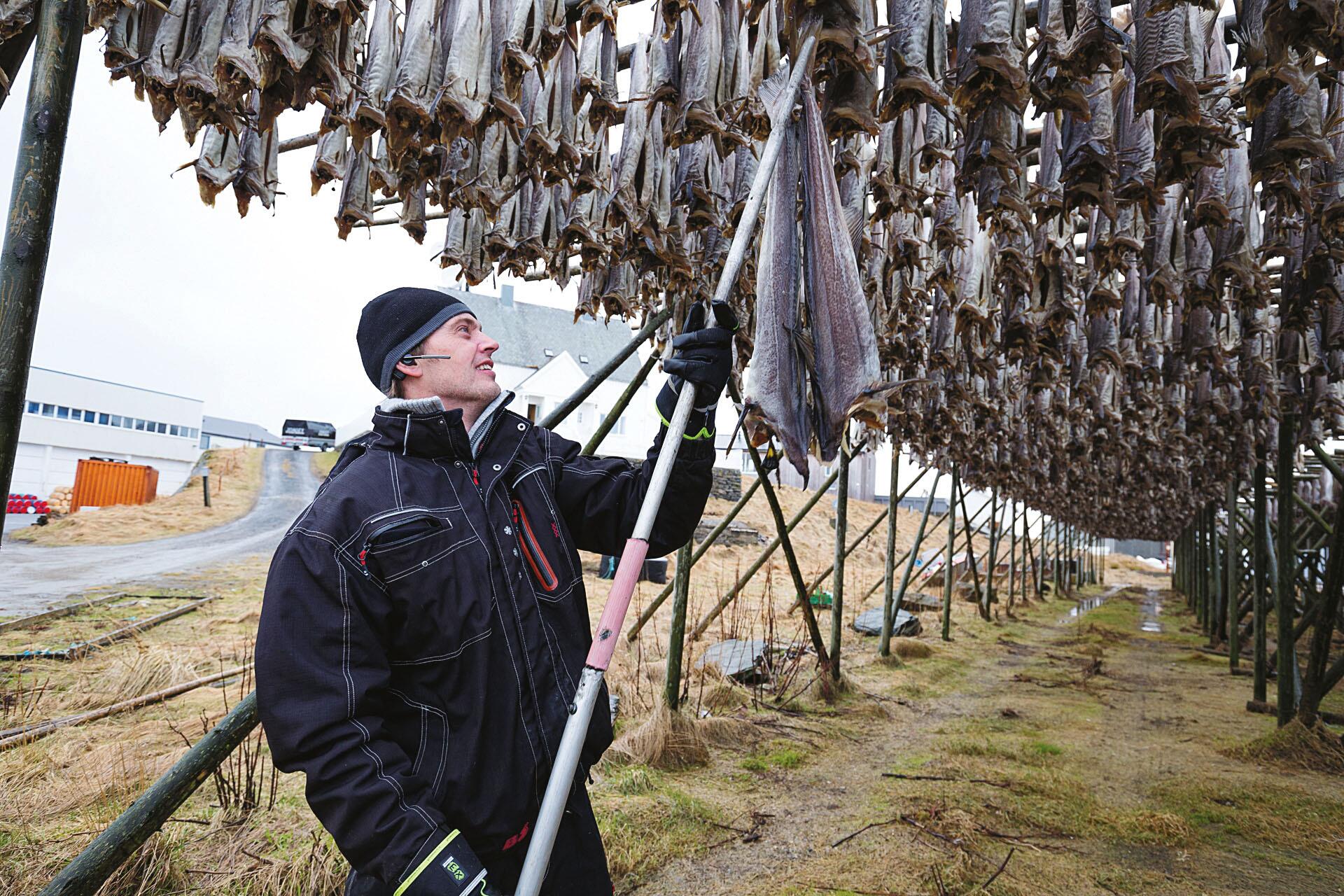
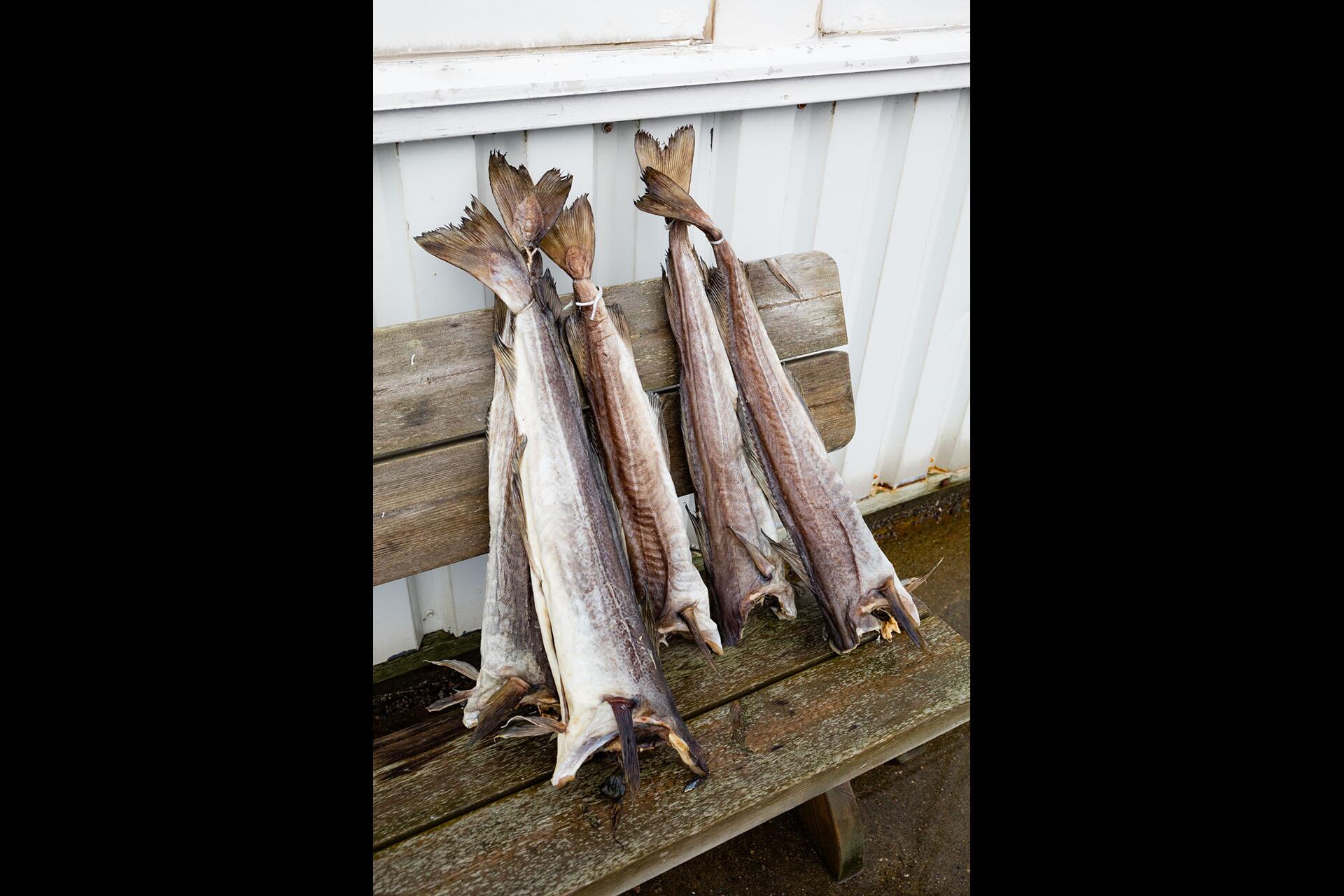
Merchant Pedersen still governed Glea. Many of the early buildings listed by Mørne are preserved. Here the telegraph building stands proud, here the farmhouse is as it once was and behind the knoll is one of the ‘state wells’ which were installed in the water poor fishing village. On the quays it is, however, different. Fish production has steered development – production halls and landing halls, every square metre utilised. There are, in a large warehouse on the old ferry quay, lines for the cod in the winter. Here the fish are tied two by two together by the tail so that they can be hung to dry. When the spring comes, the large hall is filled with finished stockfish which is then sorted.
Modernization
The islet is today connected to the rest of the small islands by large embankments which form flat roads between the halls, on which fork lift trucks and lorries in today‘s modern production world can run. Fishermen and fish buyers previously had to lift every kilo of fish, time and time again. First onboard the boat, then ashore, then on to the quay for gutting, then into vats for rinsing, so to tying before the fish, two by two, are threaded on yokes to be taken under the racks for the last lift as fresh fish. They lifted the tied fish up on to the rack to become perfect stockfish, perhaps even of the Hollender or Bremer class. A great deal is today automated. One thing however remains unchanged, the good quality of the end product.
Please take care
Please take care when in the visitors’ area and respect the access prohibited signs. These signs give those who work there the space they need to do their work and to ensure that visitors are not exposed to dangers from, for example, loading cranes or fork lift trucks. Guided tours of both the facility and stockfish sorting are given to tourist and school groups. Please contact the company.
Original text: from Elisabeth Johansen / John Roald Pettersen: LOFOTEN en kulturminneguide Orkana 2018
Translation to English: Alasdair Graham-Brown
Reference from:
Dons, Carl: De tusen øers land. Johan Grundt Tanum, Oslo 1946
Mørne, Håkan: Værbitt sagaland. P.F. Steensballes boghandels eftg. (Bj. Reenskaug) 1939
Illustrations:
Glea, photo: Nordlandsmuseet and Elisabeth Johansen
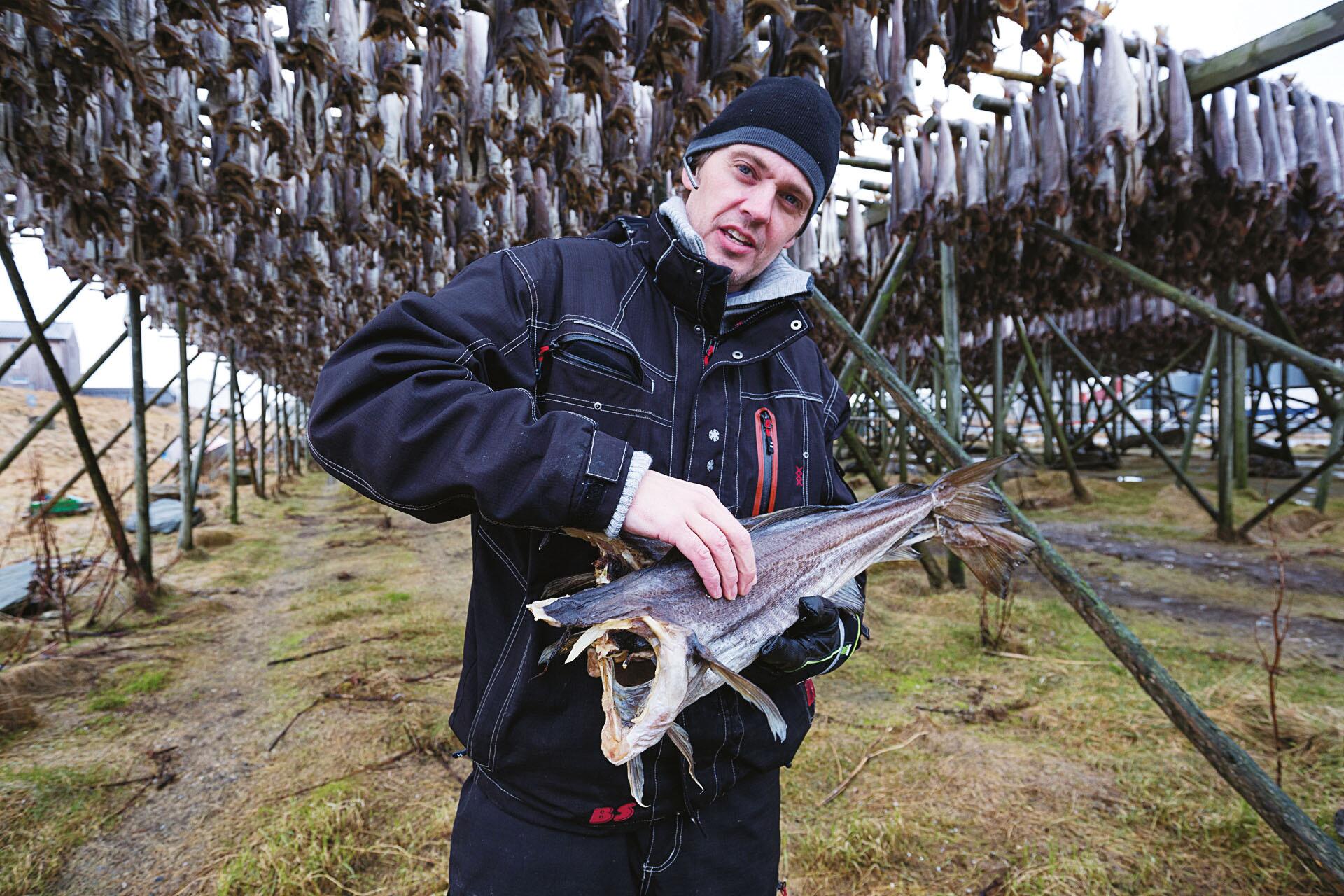
Olaf Johan Pedersen, General Manager of AS Glea, regularly brings in 'boknafisk' from the racks. A good 'boknafisk' should be hung for five weeks, says Pedersen. Large fish are hung on Røst. Elsewhere they may say two to three weeks is enough, a split cod also needing much less time to dry.